
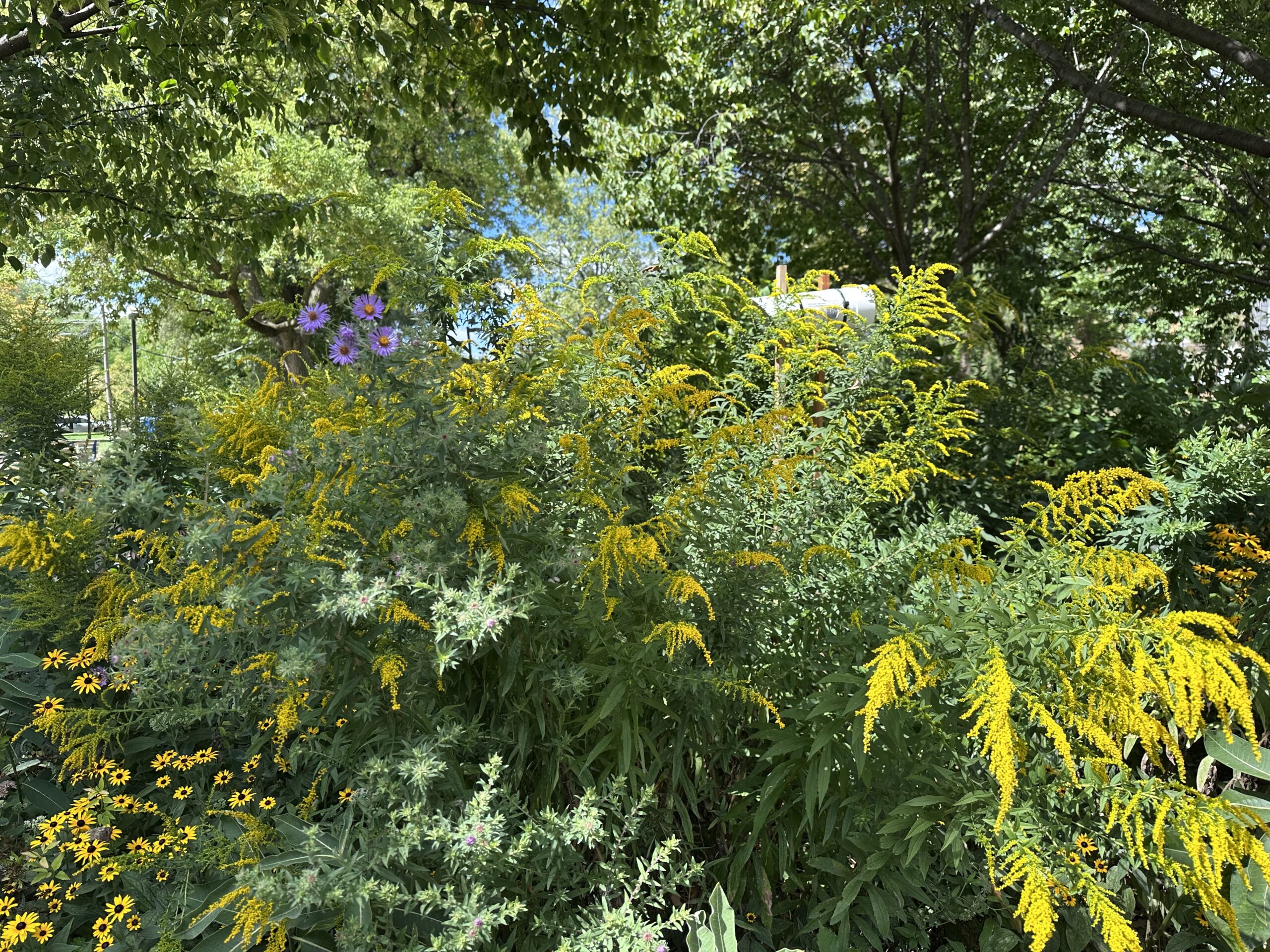
September is a busy and beautiful time in the park, and there’s lots to do in our gardens and orchard.
Goldenrod is blooming now, and it’s such a gift for beneficial insects. We like to keep plenty of it in the middle of the garden beds, where it towers beautifully. But goldenrod self-seeds everywhere, so earlier in the season we pull out plants that sprout on the edges—otherwise the whole garden would become goldenrod!
Milkweed is also important this time of year, especially for monarch butterflies. But it, too, can spread aggressively. In September, we’ll remove milkweed seed pods so that we keep a healthy balance of plants for beneficials throughout the season.
We’ll also continue our “Save the Spirea” project. That means going into the most congested areas of the pollinator garden, removing any weed trees that have snuck in, and clearing weeds circling around important plants like spirea or sedum ‘Autumn Joy.’ While we’re at it, we’ll also cut back cherry suckers that pop up in the garden.
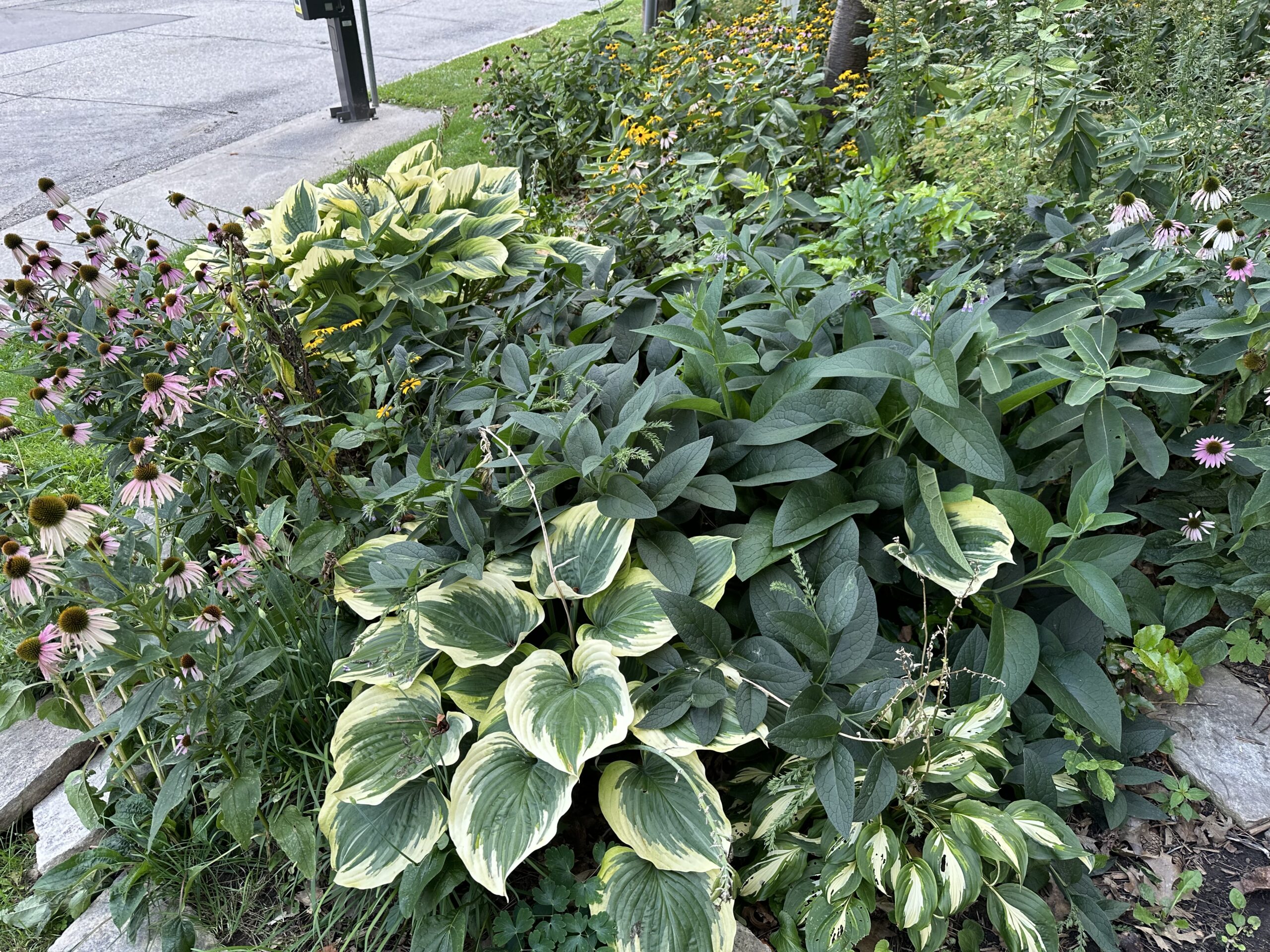
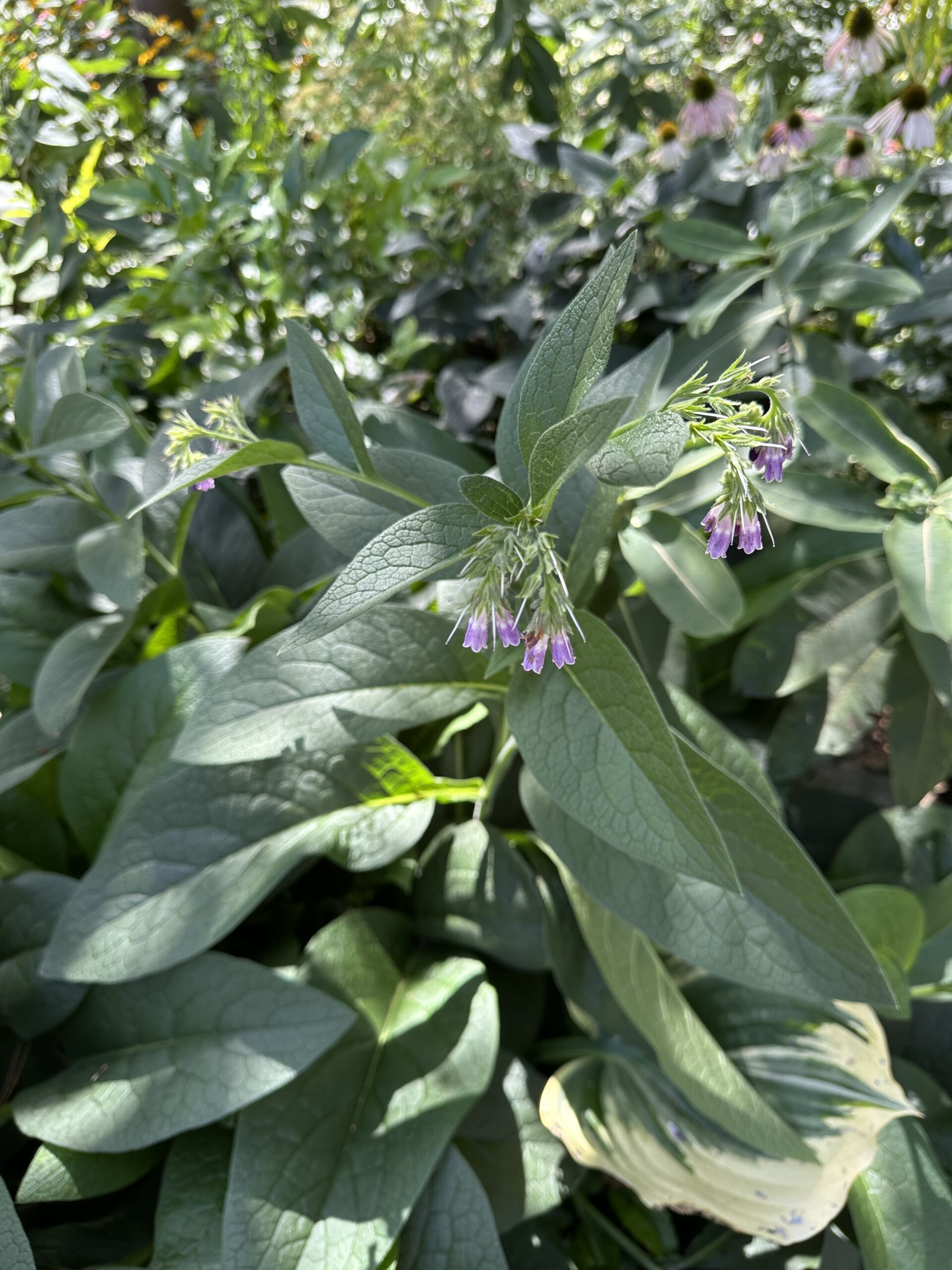
In the pollinator garden, we’ve noticed that some of our hostas are being crowded out by common comfrey. While comfrey does have benefits—it attracts pollinators and its leaves can be used to make a nutrient-rich compost tea—it spreads quickly and can become invasive. Since it’s starting to overtake the hostas, we’ll need to thin it back or remove it in those areas to maintain balance in the garden.
In the orchard, we’ll rake up fallen fruit to prevent pests from overwintering. For fun, you can cut open a damaged apple—if the worm tunnels toward the seeds, it’s codling moth; if it feeds in the flesh, it’s apple maggot. Either way, don’t compost infested apples. Please put them in the garbage so the insects don’t overwinter and return next year.
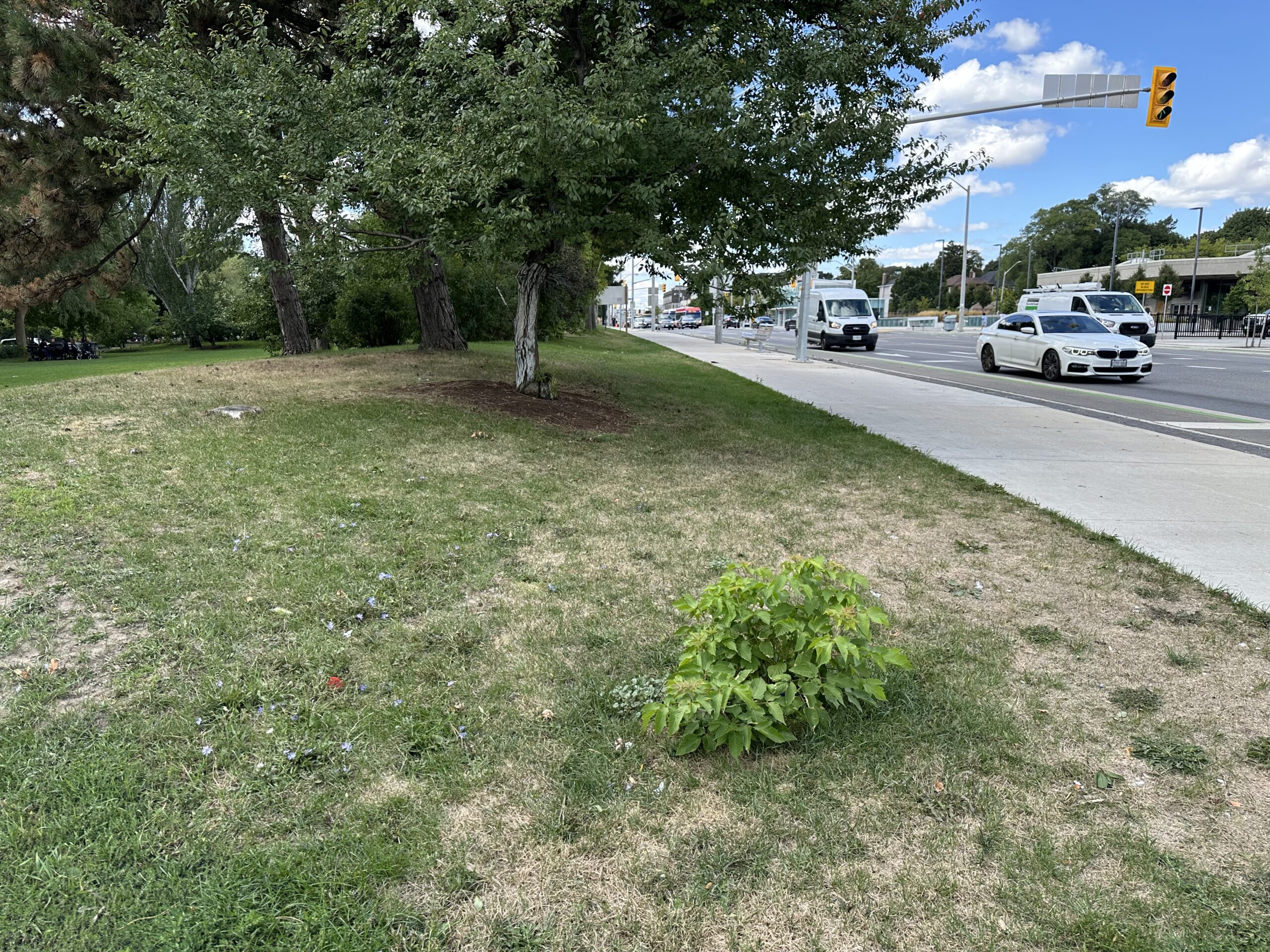
One last task is in the northeast corner, where a Manitoba maple keeps sprouting shoots near the big plum tree. If we let it grow, it will eventually shade the orchard. We’ll need to keep cutting those shoots down.
So that’s our plan—tending the pollinator garden, caring for the fruit trees, and keeping the park beautiful. We hope to see everyone in September and enjoy the lovely weather together!
Susan Poizner is one of the volunteers for The Ben Nobleman Park Community Orchard in Toronto. She is the creator of the fruit tree care education website OrchardPeople.com. Susan is the author of four fruit tree care books including Grow Fruit Trees Fast: A Beginner’s Guide to a Healthy Harvest in Record Time. She is also the host of the Orchard People podcast and an ISA Certified Arborist.